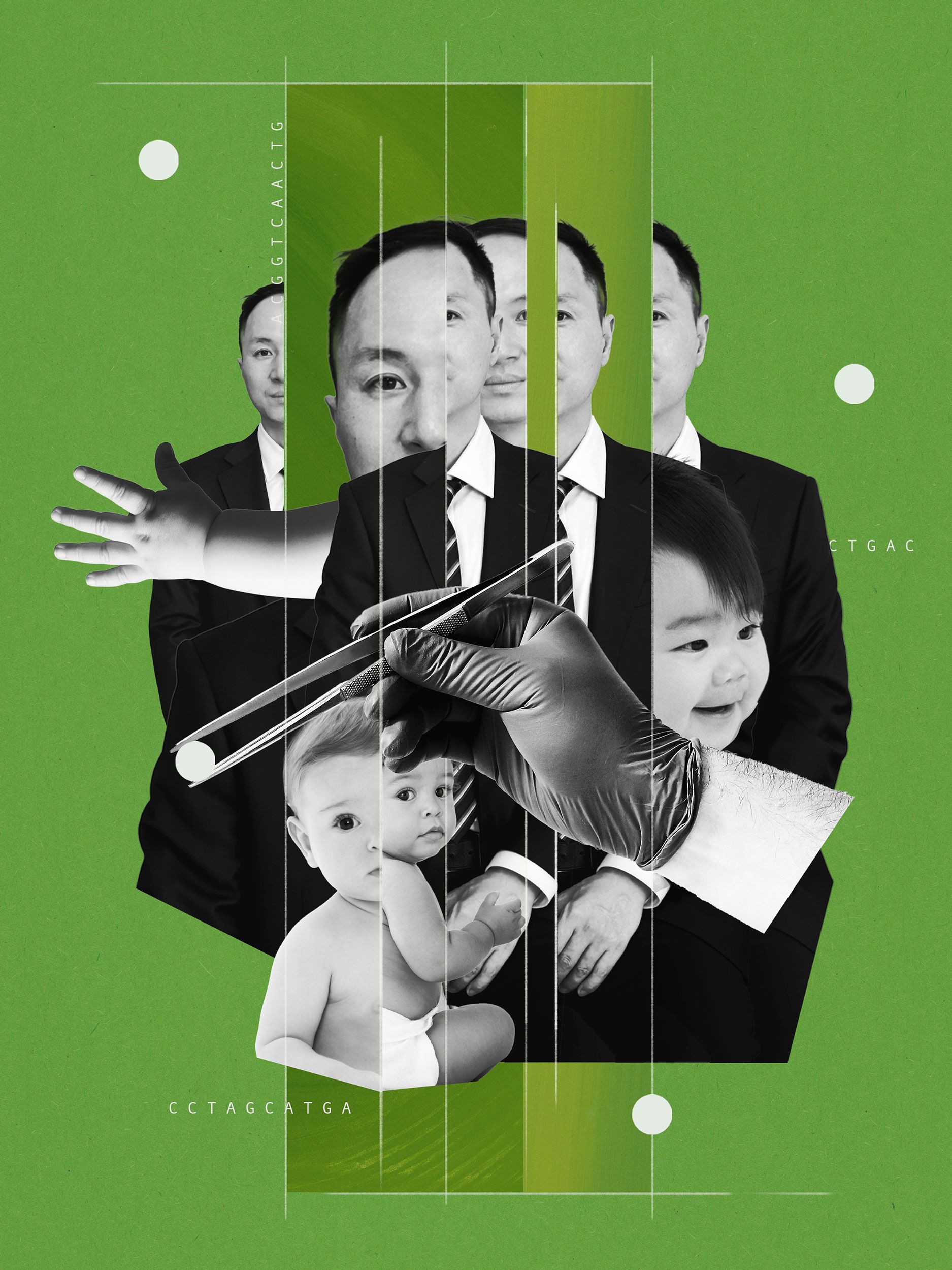
He Went to Prison for Gene-Editing Babies. Now He’s Planning to Do It Again
Scientist He Jiankui shocked the world in 2018 when he announced that he had successfully gene-edited two embryos, resulting in the birth of twin girls with modified DNA. His actions were widely condemned by the scientific community and he was sentenced to three years in prison for his unethical and illegal experiments.
Despite the backlash and legal consequences, He Jiankui has expressed his intention to continue his controversial gene-editing research. He believes that his work has the potential to prevent genetic diseases and improve the quality of life for future generations.
Many experts in the field of genetics and bioethics are concerned about the implications of gene-editing technology in the wrong hands. They fear that unregulated experimentation could have unforeseen consequences and lead to the creation of designer babies with enhanced traits.
The case of He Jiankui has reignited the debate over the ethics of gene-editing and the need for strict regulations to govern the use of this powerful technology. It raises important questions about the limits of scientific innovation and the responsibility of researchers to prioritize the well-being of society.
As He Jiankui prepares to resume his controversial work, the world watches with a mix of curiosity and trepidation. His actions could have far-reaching implications for the future of genetic engineering and the ethical boundaries of scientific research.
Ultimately, the story of He Jiankui serves as a cautionary tale about the dangers of unchecked scientific ambition and the importance of ethical oversight in the pursuit of knowledge and progress.