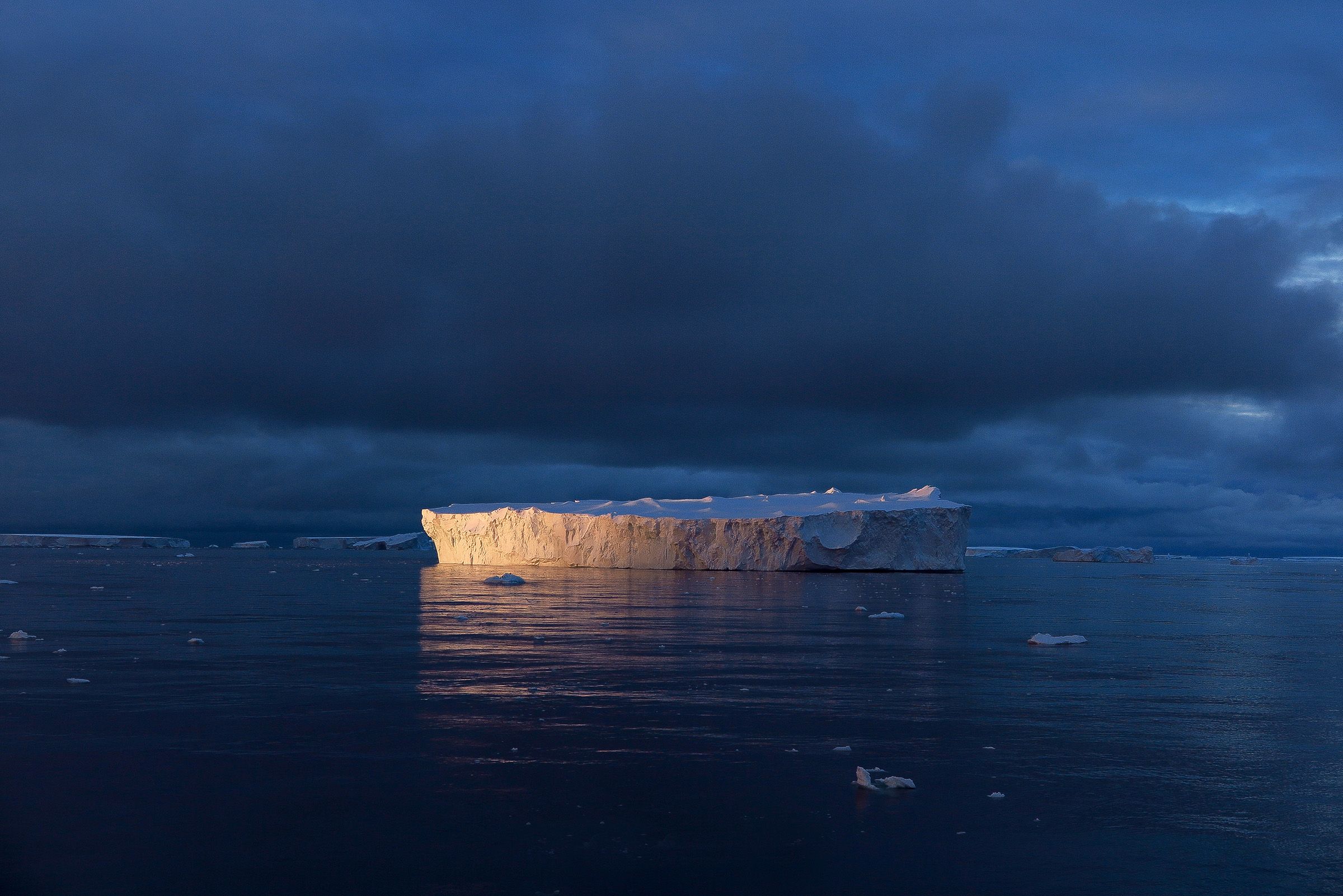
The Doomsday Glacier is getting closer and closer to irreversible collapse
The Thwaites Glacier, also known as the Doomsday Glacier, is one of the largest and most important glaciers in Antarctica. It has been melting at an alarming rate due to climate change and warming ocean temperatures.
Scientists have been monitoring the glacier for years and have recently discovered that it is now melting faster than ever before. This has raised concerns that the glacier may be approaching a tipping point where its collapse becomes inevitable.
If the Thwaites Glacier collapses, it could lead to a rapid sea-level rise of several feet, threatening coastal cities and communities around the world.
Efforts are being made to study the glacier and understand its behavior in order to better predict its future collapse. However, time is running out as the glacier continues to melt at an accelerating pace.
The collapse of the Thwaites Glacier would have devastating consequences for the planet, including increased flooding, coastal erosion, and displacement of millions of people.
It is crucial that immediate action is taken to reduce carbon emissions and combat climate change in order to slow down the melting of the Doomsday Glacier and prevent its irreversible collapse.
The fate of the Thwaites Glacier serves as a stark reminder of the urgent need to address the global climate crisis before it is too late.
Scientists and policymakers must work together to develop sustainable solutions to mitigate the impacts of climate change and protect our planet for future generations.
Time is running out, but it is not too late to make a difference and prevent the catastrophic collapse of the Doomsday Glacier.