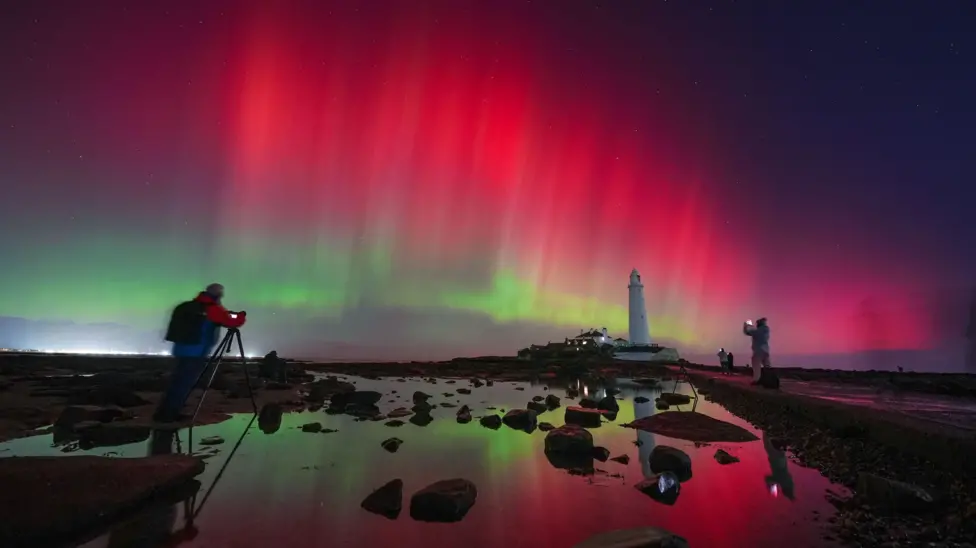
Why 2026 looks bright for Northern Light sightings
The year 2026 is shaping up to be an exceptional one for Northern Light sightings, with scientists predicting increased solar activity that will lead to more intense and frequent displays of this natural phenomenon.
One of the main reasons for this optimism is the upcoming solar maximum, a period in the sun’s 11-year cycle when solar activity is at its peak. During this time, the chances of seeing the Northern Lights are significantly higher, as the increased solar flares and sunspots create ideal conditions for the aurora borealis to form.
Additionally, advancements in technology have made it easier for people to track and predict the movements of the Northern Lights. With the help of mobile apps and online resources, amateur and professional photographers alike can plan their trips to optimal viewing locations and capture stunning images of the aurora.
Furthermore, as climate change continues to impact our planet, there is growing concern about the future of the Northern Lights. Scientists believe that the increased solar activity in 2026 may offer a temporary reprieve from the effects of climate change, providing a unique opportunity to witness the beauty of the aurora borealis before it potentially becomes more elusive in the future.
It is also worth noting that the year 2026 marks the 100th anniversary of the establishment of the Northern Lights national park in Alaska, making it an especially auspicious time to visit and experience this natural wonder.
In conclusion, with all these factors aligning in 2026, it is clear that the year holds great promise for those who are eager to witness the Northern Lights in all their glory. Whether you are a seasoned aurora chaser or a first-time viewer, 2026 is shaping up to be a year to remember for this awe-inspiring celestial display.